
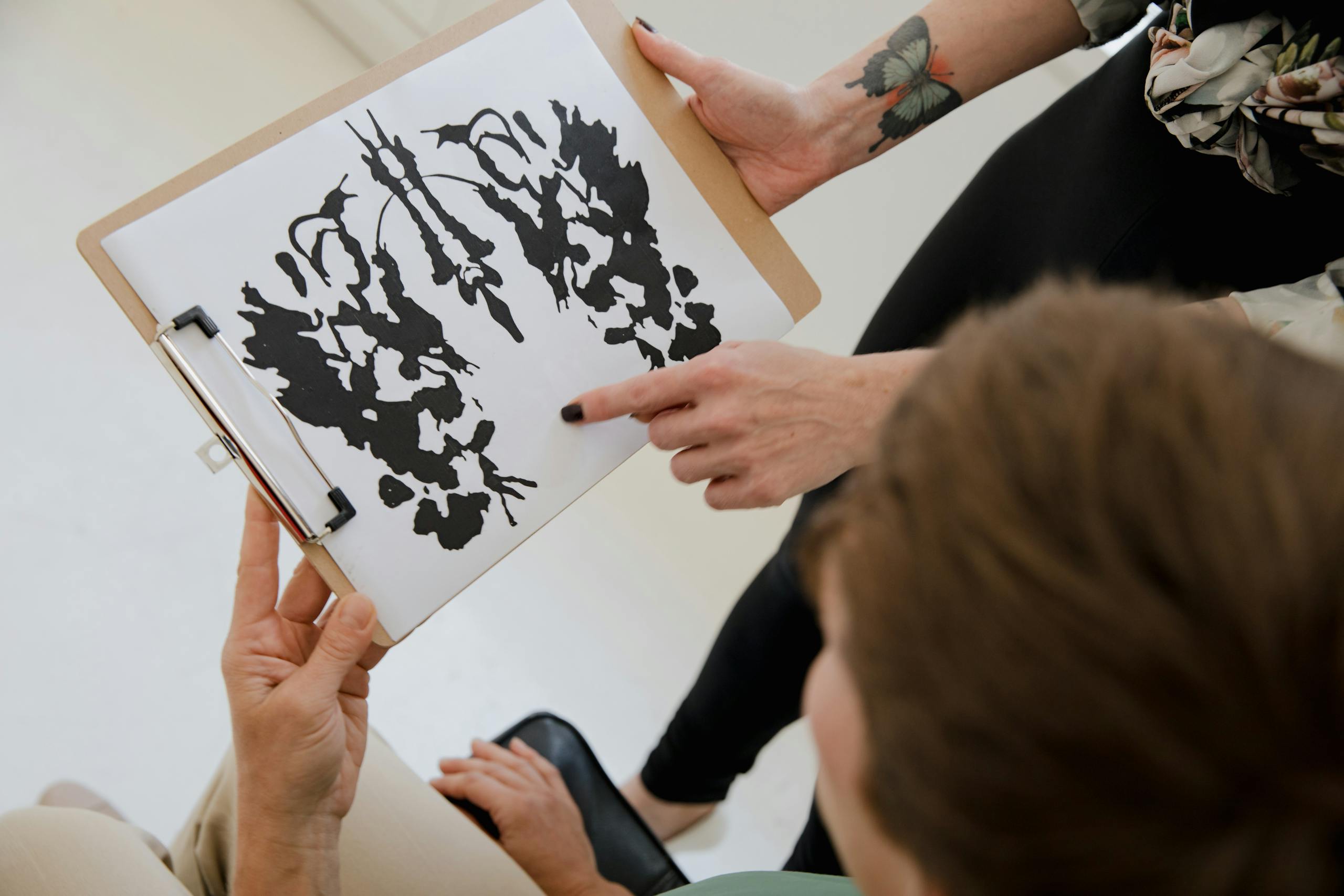
Diagnosis and What It Really Means
Our child finally received an Autism Spectrum Disorder diagnosis in November 2025, after three long years of waiting. It all began back in 2022 when we visited our GP with developmental concerns; this started the GDA pathway referral, which then led to the ASD assessment pathway.
Late last year, we worried our child might have been “lost in the system.” We had heard nothing for a while and were aware of recent changes to NHS assessment paths for children under and over five years old; thankfully, this turned out to be a non-issue; our child joined the pathway when they were under five and remained on track.
Waiting Can Feel Overwhelming
Many parents feel lost during this waiting period; we certainly did. Initially, we poured mental energy into trying to speed up the ASD pathway. We even explored the Right to Choose process, contacting alternative providers and seeking referrals through our GP. In the end, the NHS confirmed our child’s assessment date, and we stayed on that path.
We had a misconception that additional support would only come after an official diagnosis, and without one, our child would struggle. Gradually, we learned how wrong we were. Our child was in nursery at the time, and early concerns combined with a referral to Speech and Language Therapy (SaLT) allowed our child to receive EAI funding for additional support staff.
The nursery performed its own assessment and requested involvement from the Educational Psychologist; soon after, we were informed our child might be eligible for Child Disability Living Allowance (DLA). Applying and receiving the middle rate care component was life-changing. Funding allowed access to events, extra support, and even a private tutor to work on speech and certain behavioural traits.

School Planning and EHCP
As our child approached school age, we began looking at both mainstream and specialist settings. We were advised that places often required an EHCP. This was our first real experience with the process. With roughly ten months before school started, we self-referred for an EHCP. The process was turbulent, but importantly, no one ever raised the need for a formal diagnosis. The EHCP was drafted and approved in time for the first day of school; a process that could easily fill an entire article of its own.
Once school began, we faced practical challenges such as safely transporting our child. Applying for a Blue Badge proved invaluable, making journeys to and from school safer and far less stressful.
With ongoing support from SaLT and the Educational Psychologist, our child progressed through reception and into Year 1. Further submissions to the DWP after our child turned five increased the care component to high rate and added low rate mobility; more on that another time.
Receiving the Diagnosis
Now, with an official ASD diagnosis in hand, we’ve discovered that there is very little in our everyday lives that requires it. The only additional support it might unlock is from a local charity offering support dogs; as a private organisation, we fully understand the need for a diagnosis.
The truth we’ve learned is that a diagnosis itself isn’t the goal. What matters is identifying and accessing the support your child needs. This can be challenging, time-consuming, and at times frustrating; but it’s far more important than obtaining a label.
We pursued a diagnosis partly so our child has something that belongs to them, a marker of their experience; but the real work has been in securing the right support, funding, and interventions along the way.